
Technical Writer / Content Engineer
Hi, I'm Albert.
Experience writing software docs at C3 AI, AWS, and EY.
What's new
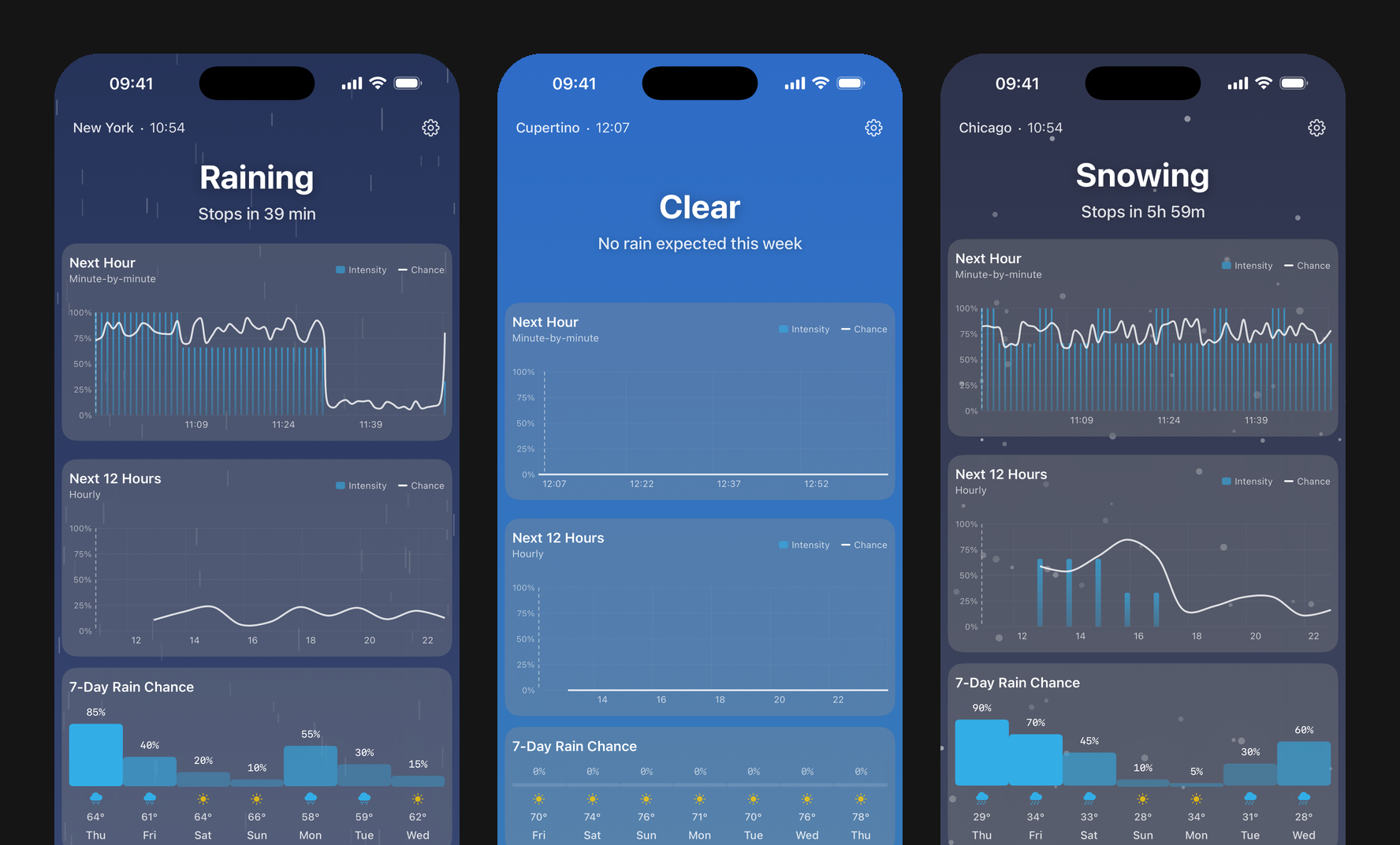
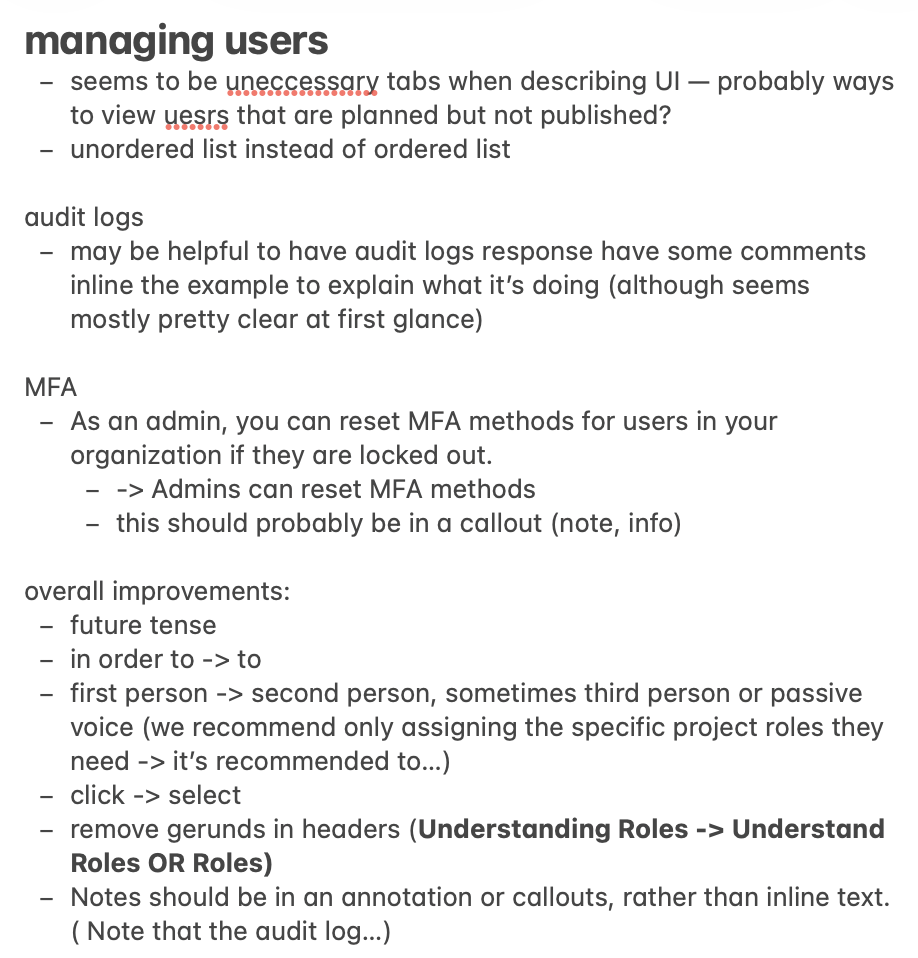
Documentation is an extension of the product.
Docs is how your users (and your user's agents) learn how to use your product. Often, docs is the first look into how your users perceive the quality of your product. I firmly believe that documentation IS the product, and the best tech writers treat docs as a product itself.
My approach
Great docs come from collaboration. I work closely with product and engineering to understand what users need, then build documentation that meets them there. I also love teaching engineers how to write — the best docs orgs don't just have good writers, they have a culture where everyone values docs.
The best docs come from those passionate about writing, communication, and teaching. This is often best realized when you have someone who has built their career around technical writing. Connect with me if you want to discuss how to best represent your docs!
Why not have AI do all the writing?
AI is moving faster than ever, and I trust AI to write much more than ever before. It's fantastic at research, creating first drafts, or creating structured docs like release notes.
However, I think AI falls short with best-practice writing. It can be great in controlled environments or highly structured docs, like release notes or changelogs. AI seems to struggle with long-form content and information architecture, like blogs or large collections of docs.
Using AI to generate drafts is only one piece of the puzzle; tech writers are becoming more like product managers. A great tech writer can multiply their output by validating AI-generated content. The best tech writers think about docs as part of the product as a whole.
It may not be necessary to have a tech writer. But in my opinion, a tech writer more than makes up for their worth by strategizing the best way your users learn about the product.